
Letter from the Interim Co-Executive Directors
Dear Friends,
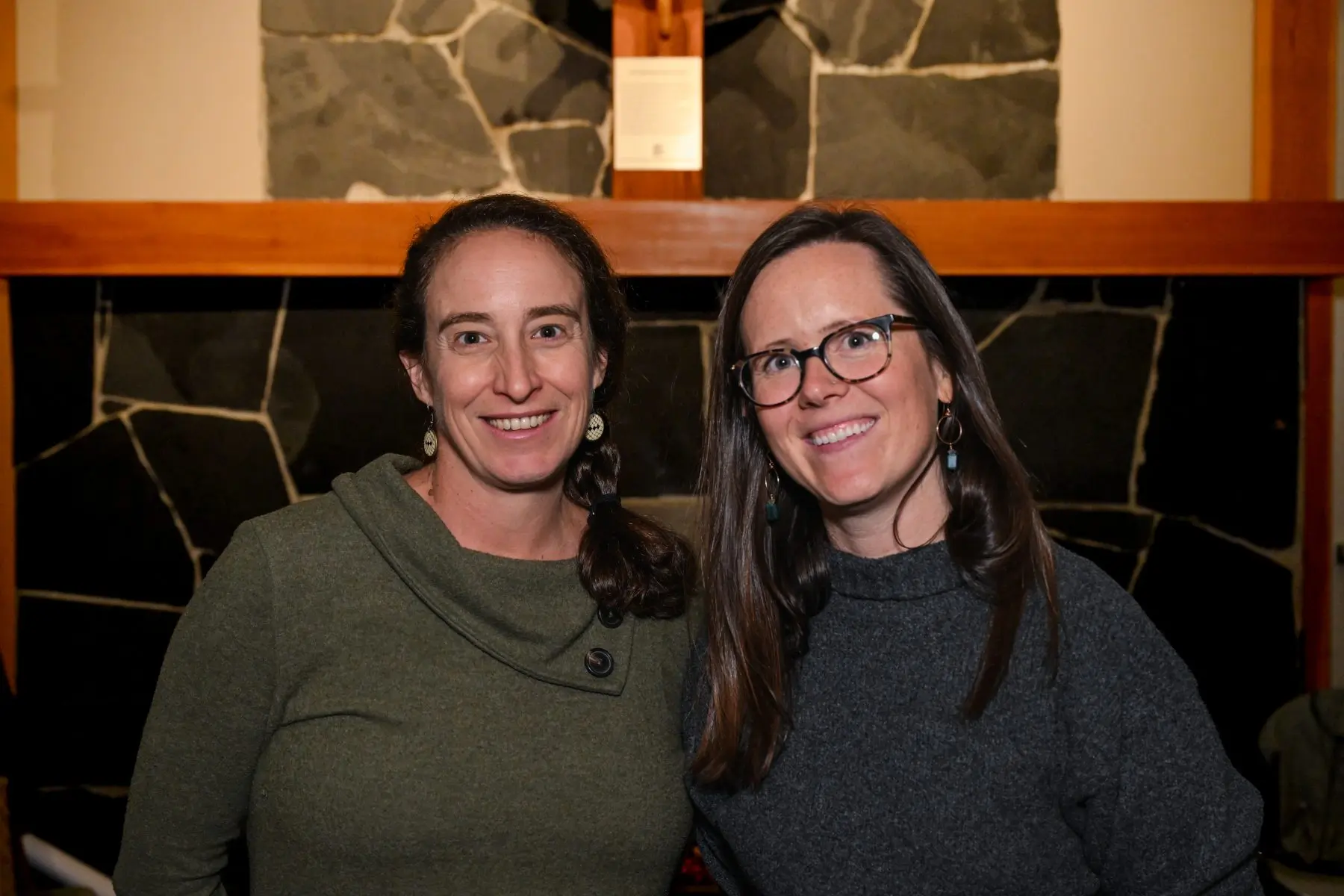
2025 was a pivotal year for Sustainable Connections. After navigating significant changes in leadership and programming, we are primed to enter a new chapter. As Interim Co-Executive Directors, we are honored to lead the organization during this time of transition and growth.
After 24 years of leadership and service, we said goodbye to co-founder and Executive Director Derek Long. Leadership transitions bring both reflection and renewal, and we are grateful for the grace and resilience that Derek and our staff demonstrated throughout this period. It has been a time when the unwavering dedication of our team and partners truly shined. Their commitment reaffirmed that Sustainable Connections is far stronger than any single role; it is a community-powered organization fueled by relationships, innovation, and shared purpose.
This year, we also experienced significant changes at Cloud Mountain Farm Center. After five years of stewardship under Sustainable Connections, we made the difficult decision to transition the farm’s ownership. Cloud Mountain has been a beloved community resource, and we are proud of its deep impact and legacy of supporting farmers, strengthening local food systems, and cultivating knowledge. Letting go of something we care about is not easy, but we have worked closely with our Board of Directors and the Whatcom Community Foundation to transfer the farm into new interim ownership under the Whatcom Land Trust, preserving the property and its role in serving the local food system. We remain committed to a thriving regional food system and are excited to continue supporting farmers through our Food & Farming program.
This year was also about looking forward. Our mission to build regenerative, connected, and equitable local economies continues to guide us as our work evolves in powerful ways.
In 2025 we uplifted small businesses, encouraging our community to Think Local First through innovative promotions and helping business owners access $800,000 in energy-saving incentives. We increased access to local food, bringing over 2,000 community members to local farms and opening a new Freedge at the North Fork Library. We supported our community in reducing waste, providing composting education and tools to over 45,000 Bellingham residents. We advanced critically needed housing solutions by bringing stakeholders and residents together at over 20 community events to learn, connect, and act. Throughout this work, we deepened partnerships, piloted new ideas, and built momentum for long-term systems change.
We’re excited to usher Sustainable Connections into its next chapter by building on what has always made this organization strong: a belief that local actions create powerful ripple effects of resilience and possibility. We send our deepest gratitude to everyone who has walked with us during this year of transition.
Together, with your partnership, we will continue cultivating the connected, regenerative future our region deserves.
With appreciation and excitement,
Delaney Skordal & Jenna Deane
Interim Co-Executive Directors
Sustainable Connections

Food & Farming
The Food & Farming program helps create a vibrant local food economy by connecting local farmers, fishers, and food artisans to local buyers and encouraging our community to Eat Local First.
As part of Eat Local Month we held the 18th annual Whatcom County Farm Tour, where 16 farms opened their barn doors for a behind-the-scenes peek into growing fruit, vegetables, and flowers, as well as raising animals, regenerative practices, and off-grid living. More than 2,000 community members attended, resulting in $52,000 in sales for local farms and food businesses in a single day!
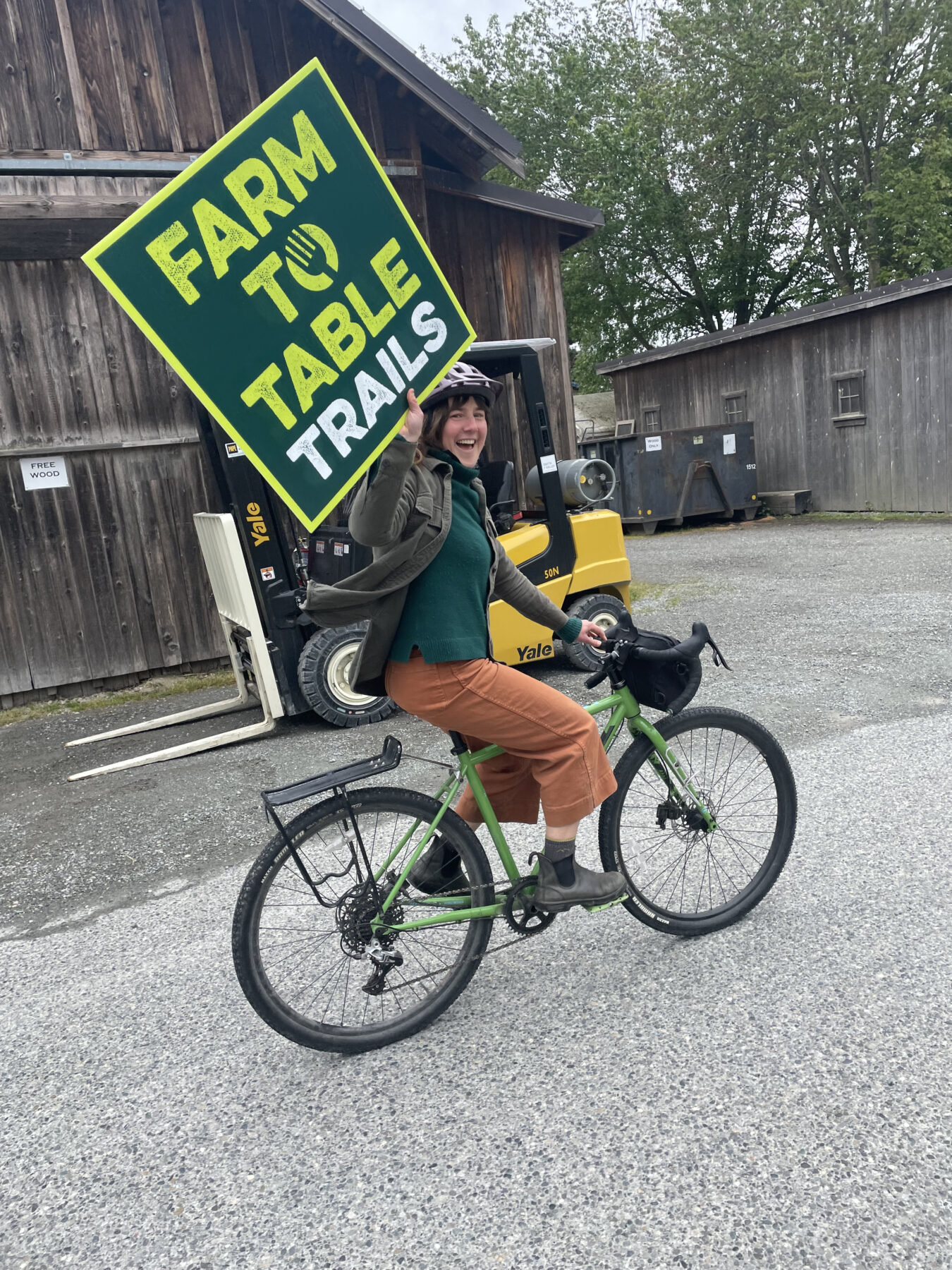
We launched the 2025 Farm to Table Trails, eight food trails that take folks around Whatcom & Skagit counties to explore all that grows in this beautiful place. By following the map and using the gamified pass, participants learned more about local food and farms, invested in the regional economy, and developed a sense of belonging and community. Since the launch, 20,000 paper maps have been distributed, and nearly 700 people have downloaded the pass to deepen their connection with local food!
Our Food & Farming team brought together 200 food industry professionals at our Eat Local First Trade Meeting and Mixers to build sales connections, friendships, and a more resilient, interconnected food system.
Our statewide Eat Local First program grew its impact by launching the Eat Local First Network. This network includes more than 200 food system stakeholders across the state and convenes monthly to collaborate on projects, share events and resources, and envision what a more connected, resilient food system really looks like.
What began as a conversation about marketing and farm business practices turned into a deeper conversation about the ethics of business ownership, the perils of land access, and the joy of being in community!
Energy & Green Building
The Energy & Green Building program offers support to local residents, businesses, tribes, and nonprofits to save energy, improve building performance, and reduce their climate impact.
Our Energy program helped nonprofits and businesses transition away from fossil fuels and save money, including electrification upgrades for 26 nonprofits and minority-owned businesses. These upgrades will reduce carbon emissions by 552,443 lbs. annually – equivalent to eliminating more than 2,220 car trips between Seattle and Spokane each year!
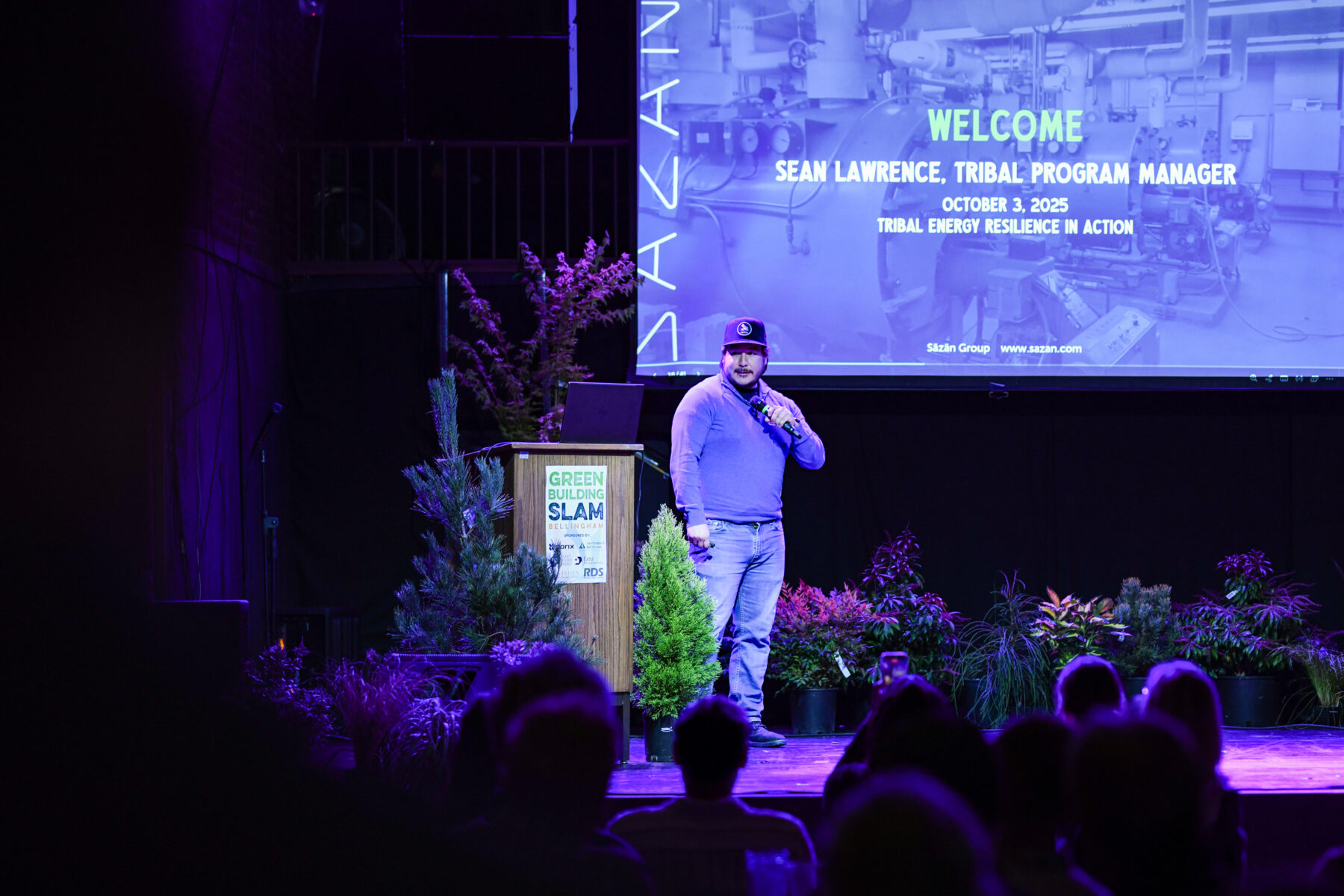
We hosted the Green Building Slam, “the most inspiring green building event of the year!”, which drew over 200 community members together to celebrate local innovation in sustainable design and construction — featuring inspiring talks about tribal energy sovereignty, green financing, and the next generation entering the green workforce.
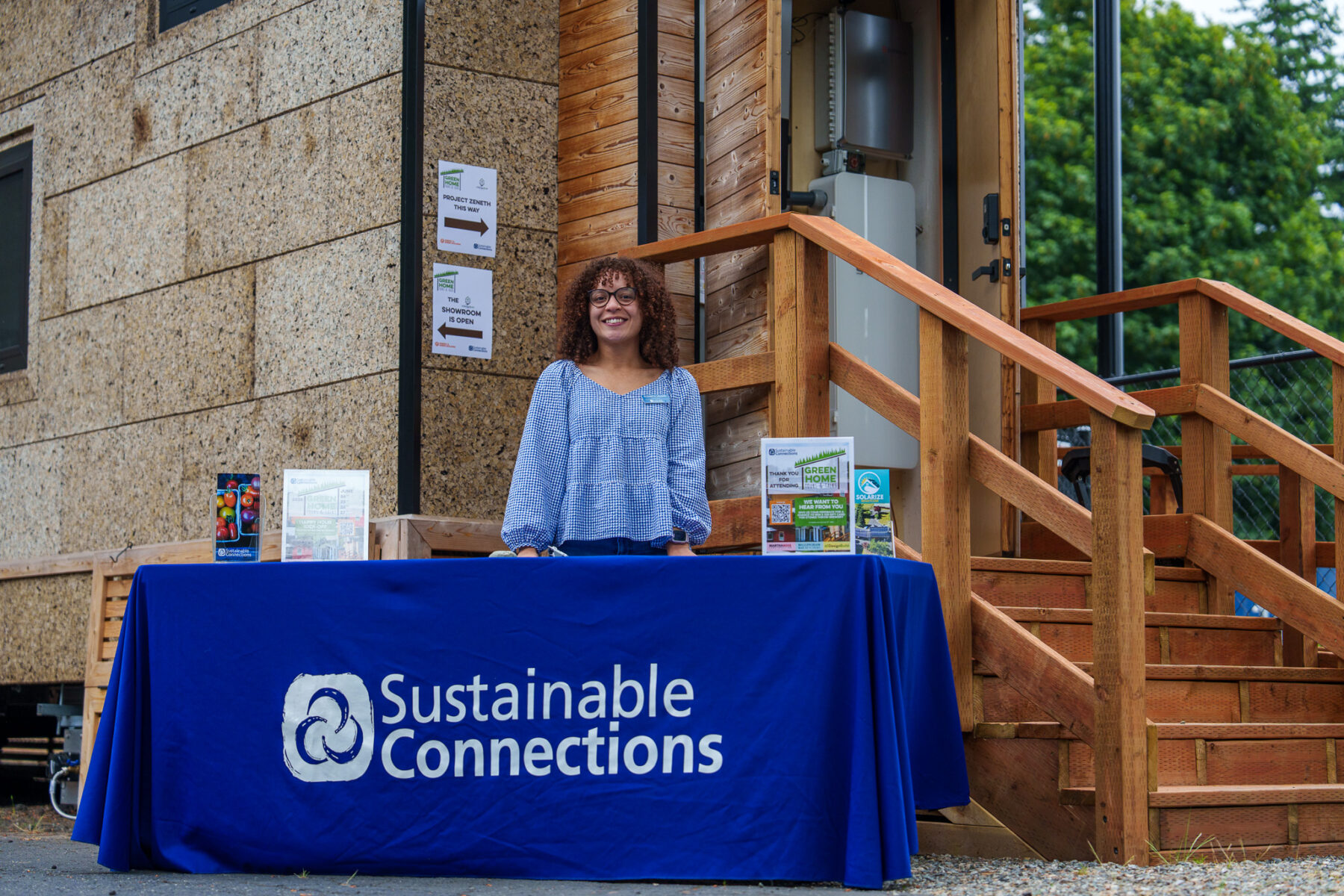
Our Green Home Tours showcased some of the most creative, energy-efficient homes in our community, engaging more than 150 attendees and sparking conversations about practical solutions for greener living.
Thank you so much to all of you, who quickly came together to support these energy efficient upgrades for us. All your efforts made an immediate and long-lasting impact, and we are most grateful.
Housing & Smart Growth
The Housing & Smart Growth program helps shape our community’s homes, streets, and public spaces – all to create lasting social, economic, and environmental benefits.
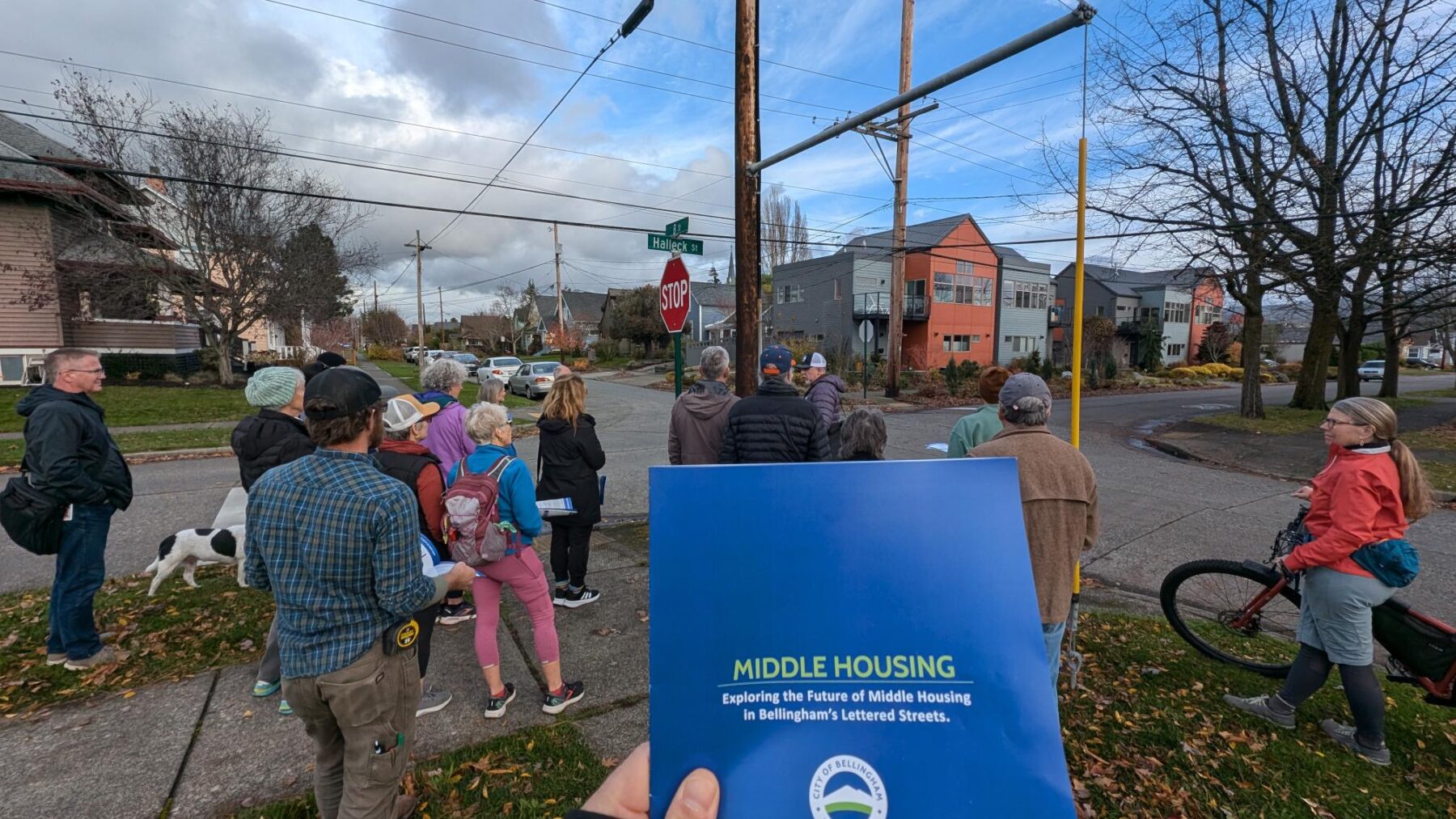
Our Housing & Smart Growth program manages the Whatcom Housing Alliance, an alliance of government, non-profit, and for-profit stakeholders aimed at increasing housing affordability and accessibility. We hosted 20+ community events, including Whatcom Housing Week, a Transportation & Housing Forum, and Community Summits, drawing more than 500 people to learn, connect, and act on local housing solutions.
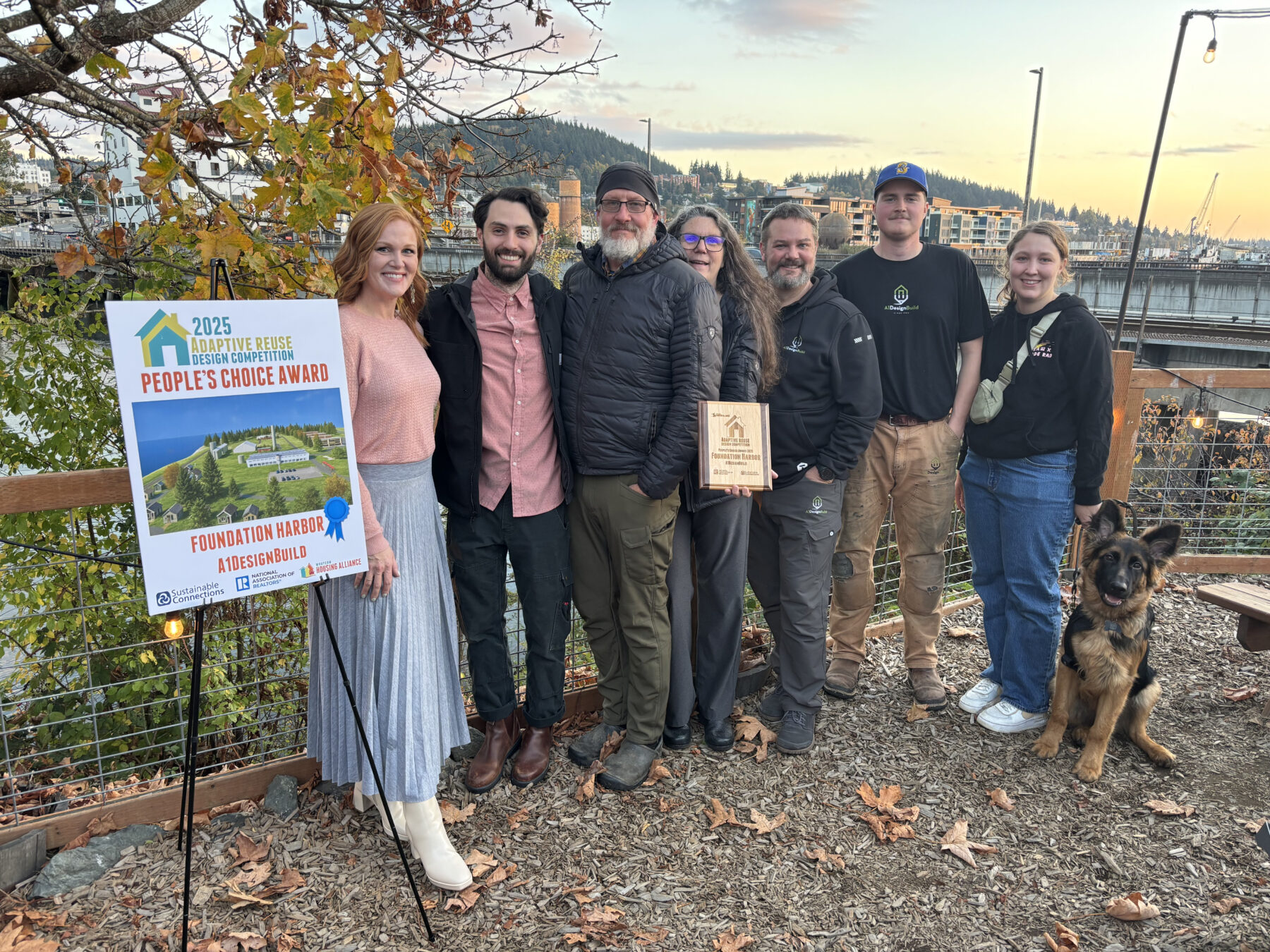
We launched the Adaptive Reuse Design Competition, which challenged designers to transform underused or aging structures into innovative, community-oriented homes. The winning submissions showcased practical, sustainable, and inspiring housing designs that breathe new life into familiar spaces.
We created the Development Task Force this year, bringing together builders, lenders, and community members to tackle financing and permitting barriers for small-scale, attainable housing. Our work supported major reforms in parking, middle housing, and the Multi-Family Tax Exemption, making it easier to build homes people can actually afford.
The Whatcom Housing Alliance is an essential convener, building shared understanding of housing challenges and solutions across sectors and with the public.
WHA remains an indispensable resource for local policymakers. The Alliance has been pivotal not only in motivating and supporting reform, but also in helping the City learn from implementation.
Over the past year, WHA’s work on middle housing, parking reform, and objective design standards — among other high-impact efforts — will benefit our community for decades to come.
Think Local First
Our Think Local First program celebrates and promotes locally owned businesses to drive economic growth, create a strong sense of place, and encourage people to shop with their values.
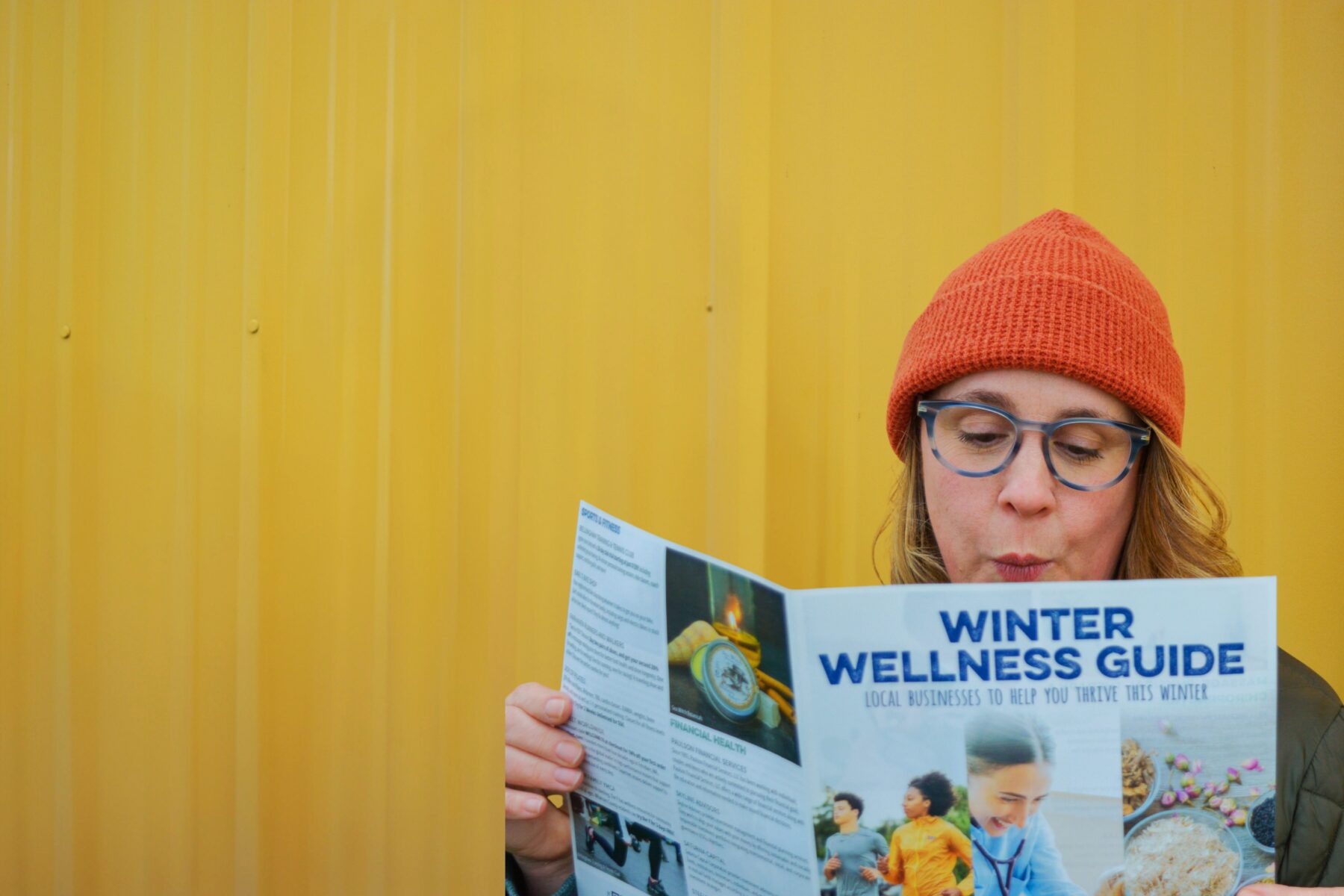
Through four seasonal campaigns – Winter Wellness, the Coffee Crawl, Sandwich Showdown, and Think Local First for the Holidays – we promoted 125 local businesses and encouraged people to invest in the community they love. We made it fun to support local businesses with our Coffee Crawl and Holiday Passports, engaging over 825 customers who spent over $17,0000 at local businesses (and won prizes for doing so!)
We fueled a thriving economy by generating over $52,000 in sales through our Think Local First gift cards. These cards keep dollars circulating in our community, supporting more than 250 locally owned Whatcom County businesses.
We developed new ways to promote business members through our Local Business Directory, which features approximately 300 local businesses, making it easy for community members to find and support local vendors. We strengthened connections between local businesses at quarterly Member Mingles which bring business owners together to share successes and challenges, learn from one another, and build a strong sense of community.
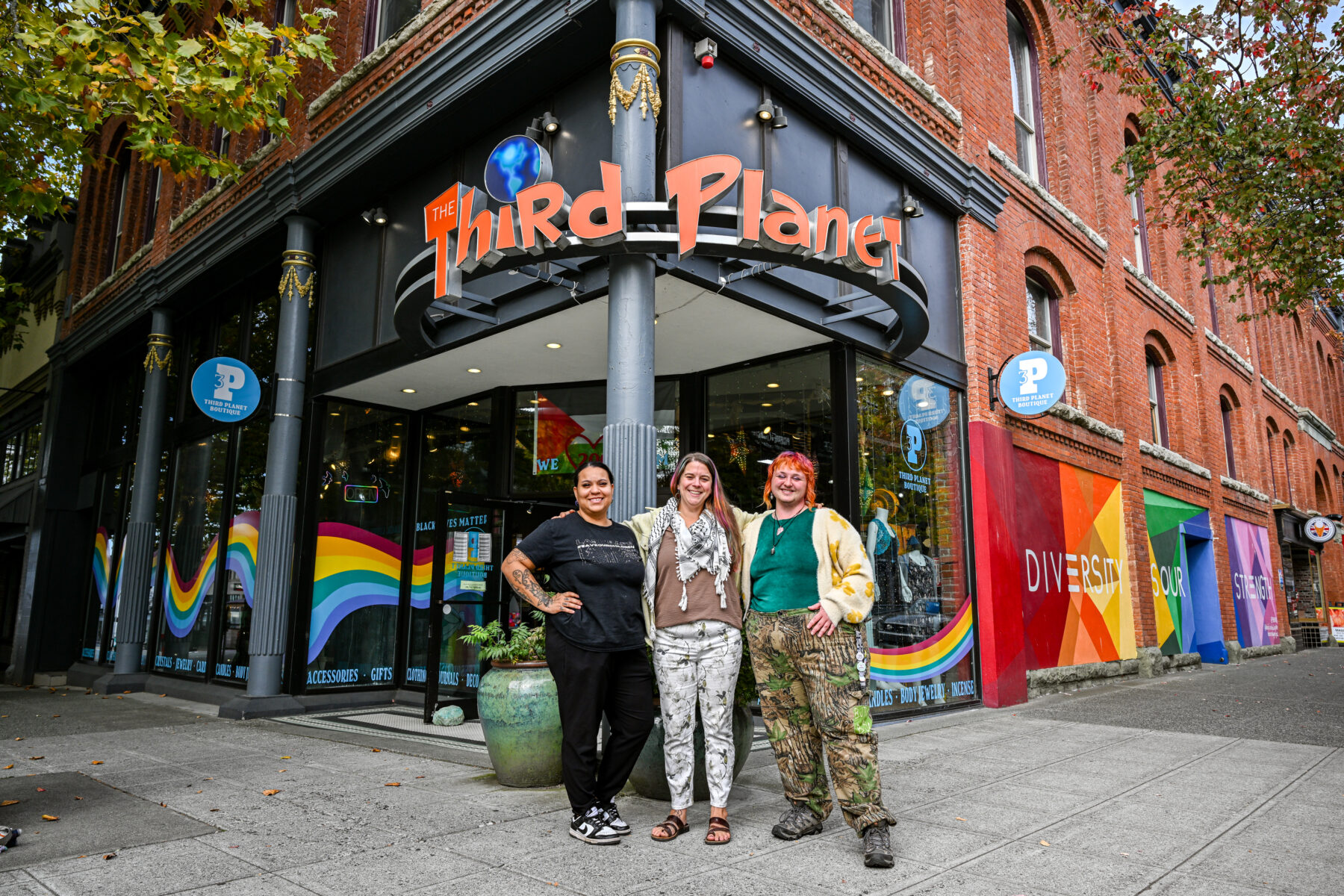
I love being highlighted as a business destination in Bellingham and especially appreciate that diversity categories are included in these (directory) listings.
Toward Zero Waste
The Toward Zero Waste and Food Recovery program reduces waste through innovative education and collaboration and helps feed community members in need by rescuing and delivering surplus food.
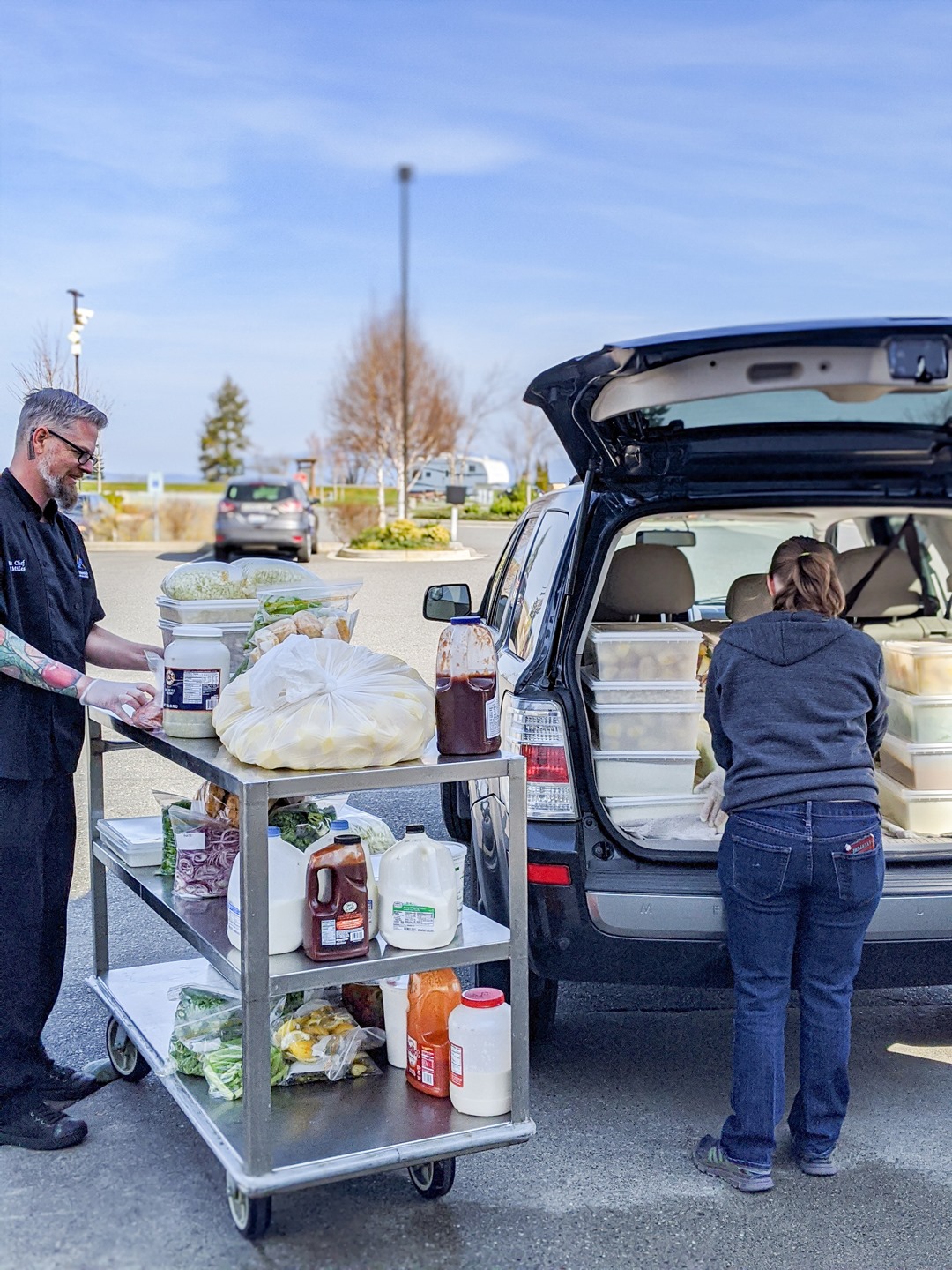
Our Food Recovery Program recovers food from the landfill and delivers it to those who need it most. In 2025, we recovered over 280,000 lbs. of surplus food from 61 businesses and delivered it to 20 local hunger relief organizations like Road2Home, Catholic Community Services, the Lighthouse Mission, and our new Freedge at the North Fork Library. That’s 233,698 meals created, 32 million gallons of water saved (49 Olympic swimming pools), and 179 metric tons of carbon dioxide reduced (or 43 passenger cars driven for a whole year)!
Our Toward Zero Waste program educated 43,363 households in Bellingham on proper waste sorting and contamination reduction through informational postcards and flyers. We distributed 1,280 compost caddies with waste sorting guides to help thousands of households more easily utilize their new curbside compost service.
In partnership with Whatcom County Health and Community Services, Perennial Zero Waste, and Bellingham SeaFeast, we helped launch Whatcom County’s first-ever festival with fully reusable service ware, eliminating more than 30,000 single-use items, including plastic utensils and takeout containers, from the waste stream.
Thanks to the Sustainable Connections Food Recovery Program, Birchwood Food Desert Fighters has been able to directly distribute food to 35-45 households every weekend with enough extra produce to refill our 10 community food share boxes. They’ve consistently brought high-quality, healthy produce and prepared foods well-suited to the diverse communities in the Birchwood Alderwood area. We’ve been able to connect disabled/chronically ill households especially to accessible foods. We are grateful to be in partnership with this program.
Cloud Mountain Farm Center
Cloud Mountain Farm Center, now under Whatcom Land Trust’s interim ownership, provides key food systems infrastructure services, helping farms, food banks, and markets scale their enterprises and have cooperative impact.
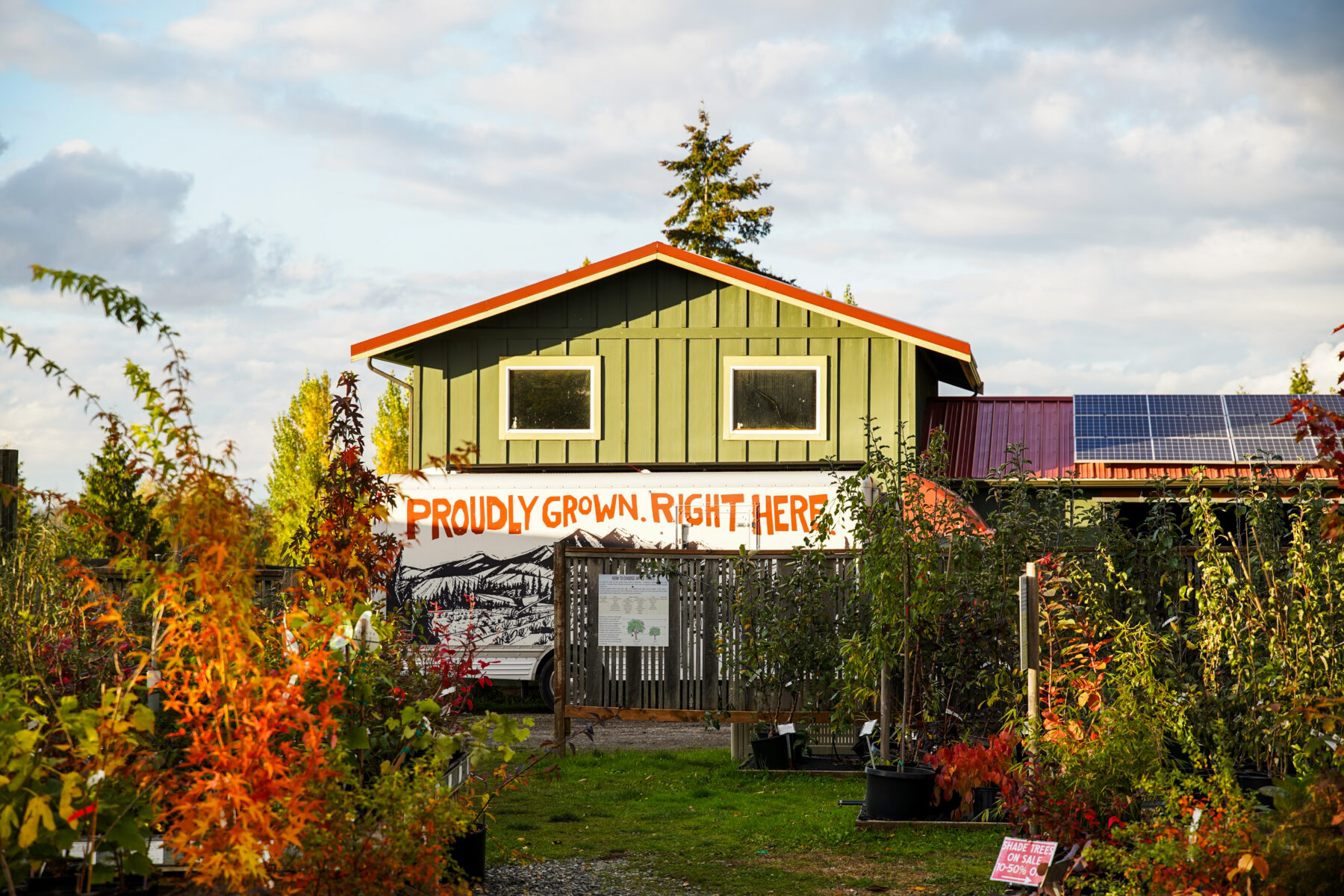
In 2025, Cloud Mountain Farm Center transitioned from Sustainable Connections to the Whatcom Land Trust for interim ownership. A production farm for over forty years, Cloud Mountain has been home to innovation, inspiration, and open sharing – a beloved community resource whose legacy lives on in the farmers who trained there, as well as in the orchards and gardens across NW Washington where many Cloud Mountain nursery plants found their home. The Whatcom Land Trust plans to permanently protect 19-acres of Cloud Mountain Farm Center through a conservation easement to preserve the property and its role in serving the local food system.
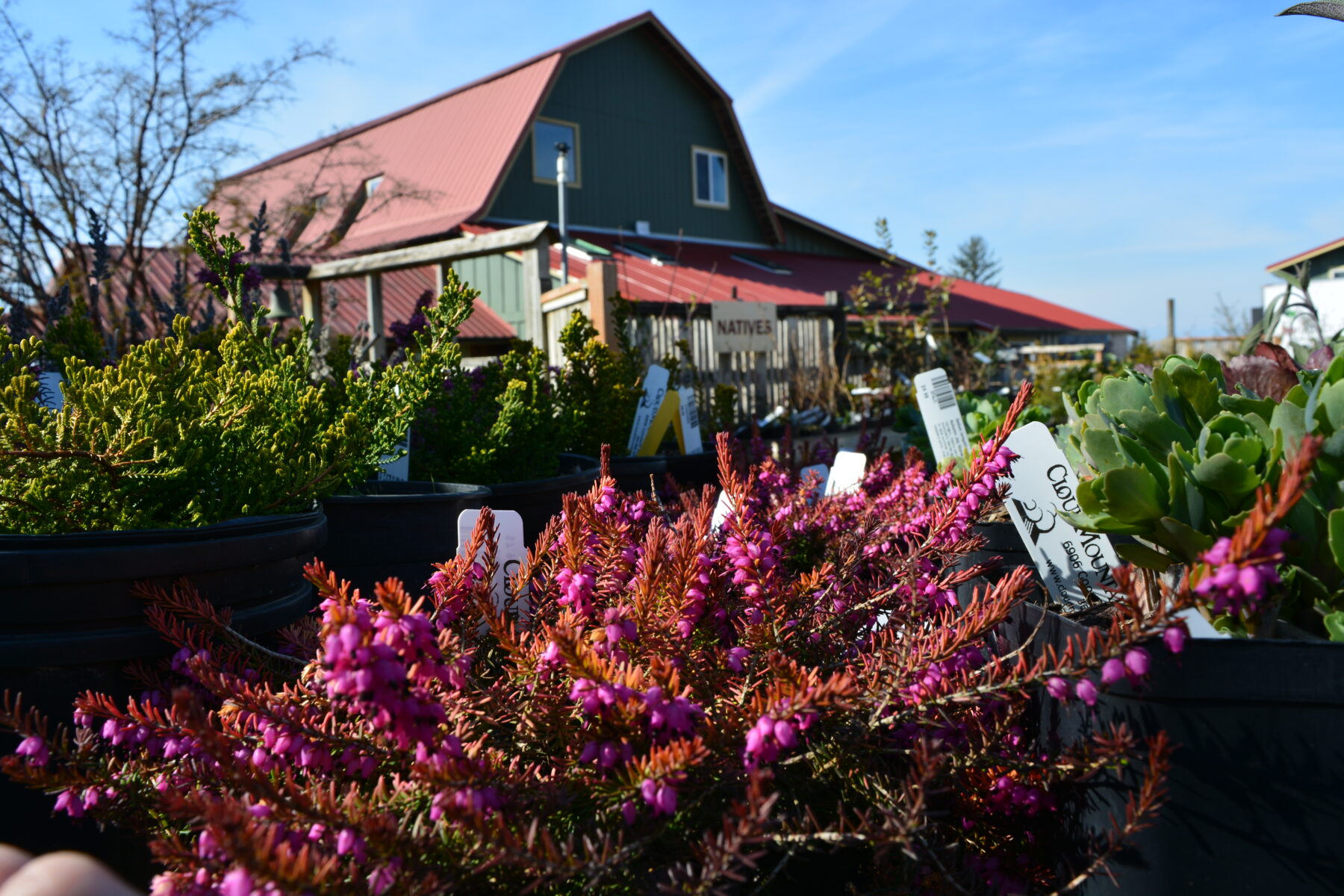
During this year of change, the Cloud Mountain nursery had a successful last season, supplying community members with thousands of regionally adapted fruit and ornamental plant varieties. The Processing, Aggregation, Distribution, and Storage (PADS) program continued – and will continue under the Land Trust’s management – to provide critical food systems infrastructure services for ~25 food banks, farmers markets, small farms, and food hubs.
The Whatcom Land Trust’s deep commitment and care for this community makes them ideal stewards for Cloud Mountain. We couldn’t imagine a stronger, more aligned organization to carry Cloud Mountain into the future while honoring its past and community legacy.
Whatcom Land Trust is excited to permanently protect this farmland, which is so special to our agricultural community and local food systems. The Land Trust was founded in 1984 to protect agricultural land from development, and this remains an important part of our mission today. We look forward to input and support from community members in evaluating the long-term ownership needs for Cloud Mountain.